Why Your Toilet Tank Isn’t Filling: Common Causes
Few household issues are as frustrating as discovering your toilet not filling with water after you flush. A toilet that will not refill properly can disrupt daily routines and quickly become more than just an inconvenience. If you have noticed water not filling in toilet tank systems correctly, it is important to understand the possible causes and when professional help may be required.
For homeowners, identifying the reason early can prevent water damage, reduce waste and avoid more serious plumbing repairs. While some problems are simple to resolve, others require the expertise of a licensed plumber Mullumbimby residents trust for reliable service.
How a Toilet Tank Refill System Works
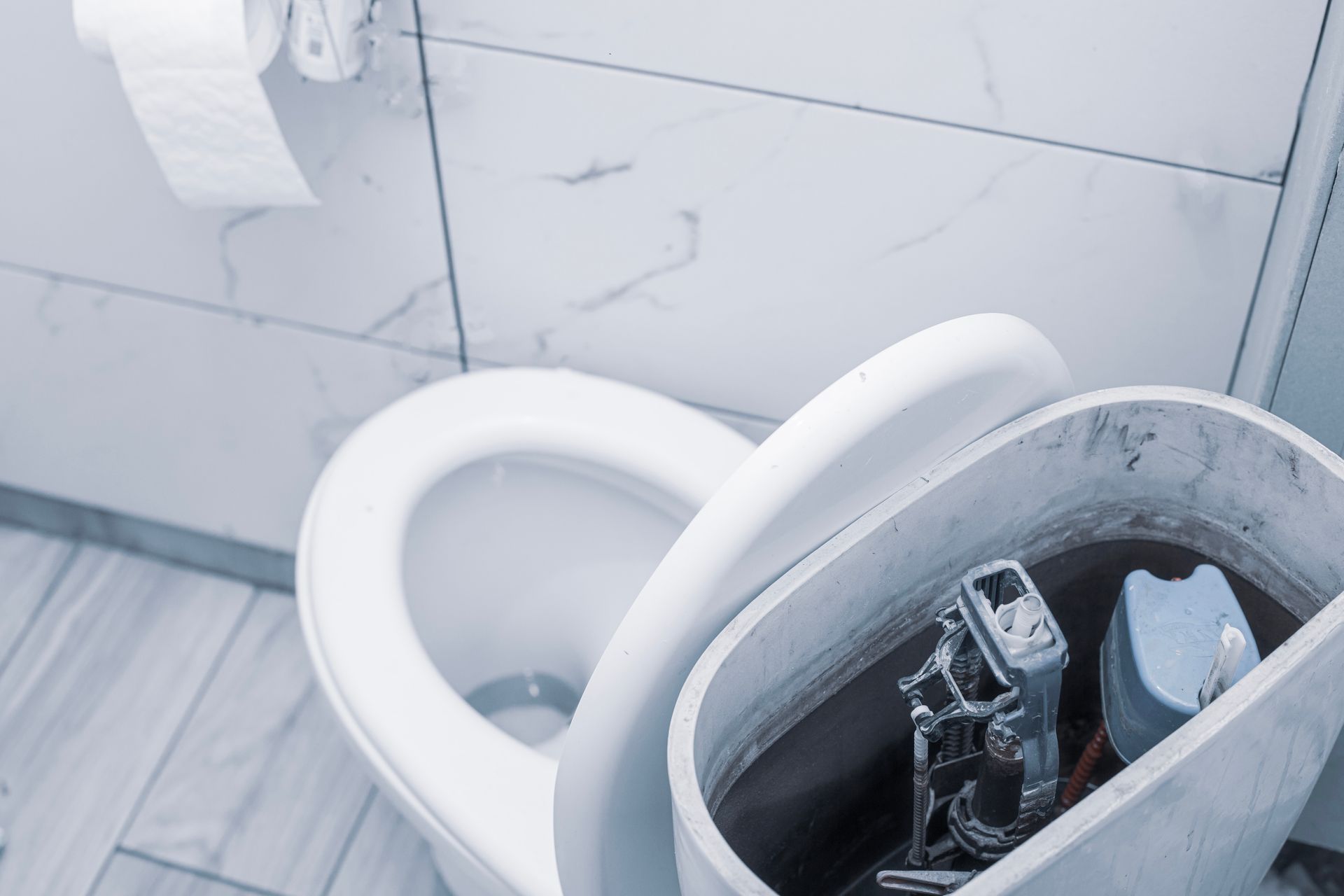
To understand what might be going wrong, it helps to know how the refill system operates. After you flush, water leaves the cistern and flows into the bowl. As the tank empties, the float drops and triggers the fill valve to allow fresh water to enter the tank.
Once the water reaches the correct level, the float rises and shuts off the valve. If any part of this process fails, the tank may refill slowly, partially or not at all.
Common Reasons Your Toilet Tank Is Not Filling
Several components inside the cistern can affect how water refills. Below are some of the most frequent causes homeowners encounter.
Blocked or Partially Closed Isolation Valve
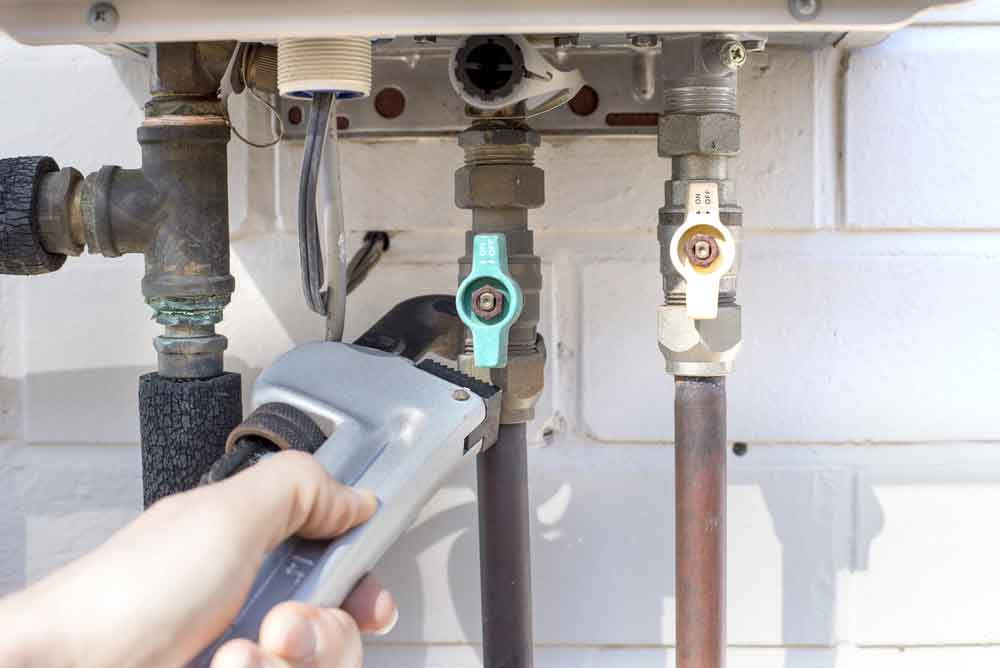
Behind most toilets is a small tap known as the isolation valve. If this valve is not fully open, it can restrict water flow into the tank.
Check the following safely:
- Ensure the valve is turned fully anti-clockwise
- Look for visible leaks around the connection
- Listen for changes in water flow when adjusting the valve
If the valve is damaged or seized, it should be repaired or replaced by a professional.
Faulty Fill Valve
The fill valve controls the flow of water into the tank. Over time, internal components can wear out, clog with sediment or become misaligned. A faulty fill valve is one of the most common reasons for water not filling in toilet tank systems properly.
Signs of a failing fill valve include:
- No water entering the tank at all
- Slow refilling after flushing
- Unusual noises during refill
In some cases, cleaning the valve may restore function. However, worn parts often require replacement.
Stuck or Misaligned Float
The float regulates the water level. If it becomes stuck in the raised position, the system may assume the tank is already full and prevent water from entering.
You can safely check whether:
- The float moves freely up and down
- It is rubbing against the side of the tank
- It appears damaged or cracked
Minor adjustments may fix the issue, but persistent problems may indicate a need for replacement parts.
Clogged Inlet or Sediment Build-Up
In areas where mineral content is higher, sediment can accumulate inside the fill valve or inlet pipe. This build-up restricts water flow and affects refill speed.
If you suspect sediment, turning off the water supply and carefully inspecting accessible components may reveal debris. However, disassembling internal parts should be done with caution. If unsure, it is best to contact a plumber Mullumbimby property owners rely on for accurate diagnosis.
Damaged Float Cup or Float Arm
Modern toilets use either a float cup or a float arm. If these components are bent, cracked or disconnected, they cannot properly regulate water flow.
Visible damage inside the tank is a clear sign that parts may need replacing. Temporary fixes rarely provide long-term reliability, especially if plastic components have become brittle with age.
Problems With the Water Supply Line
Sometimes the issue is not inside the toilet at all. A kinked or leaking supply line can prevent adequate water from reaching the tank.
Check for:
- Obvious bends or twists in the hose
- Dampness or corrosion around fittings
- Reduced water pressure elsewhere in the home
If multiple fixtures are affected, the problem may extend beyond the toilet and require broader plumbing assessment.
When It Is Safe to Attempt a Basic Check
Homeowners can perform simple visual inspections and confirm that valves are open. Always turn off the water supply before removing the tank lid and avoid forcing any components.
Safe steps include:
- Removing the cistern lid carefully
- Checking that the float moves freely
- Confirming the isolation valve is open
- Observing whether water enters the tank after flushing
If adjustments do not restore normal function, further interference can cause leaks or internal damage.
Signs You Should Call a Professional
While minor adjustments are sometimes effective, certain situations require expert attention. Contact a plumber Mullumbimby residents trust if:
- The tank remains empty despite valve adjustments
- You hear continuous running water
- Water leaks from the base of the toilet
- Internal components appear severely worn
- The issue keeps returning after temporary fixes
Professional assessment ensures the correct component is replaced and prevents unnecessary water waste or damage to surrounding flooring.
The Risk of Ignoring the Problem
Leaving a refill issue unresolved can result in more than inconvenience. A toilet that does not refill correctly may encourage repeated flushing attempts, placing strain on internal mechanisms.
In some cases, small internal leaks can go unnoticed, increasing water bills and contributing to hidden moisture damage. Prompt attention reduces the risk of costly repairs and protects your plumbing system overall.
Preventative Maintenance Tips
Routine checks can help extend the lifespan of toilet components and reduce unexpected failures.
Consider the following preventative measures:
- Inspect internal components annually
- Clean sediment build-up where accessible
- Avoid using harsh chemical cleaners inside the tank
- Monitor for unusual refill sounds or delays
Regular maintenance ensures small issues are identified before they escalate into larger plumbing problems.
Why Professional Diagnosis Matters
Although many toilet refill issues seem straightforward, underlying causes can be more complex. A trained professional can determine whether the problem lies within the cistern, supply line or broader plumbing system.
By working with an experienced plumber Mullumbimby homeowners gain peace of mind knowing repairs are completed correctly and in accordance with plumbing standards. Accurate diagnosis also prevents unnecessary part replacements and ensures long-term reliability.
Restoring Reliable Function to Your Toilet
A toilet not filling with water can disrupt your household quickly, but most causes are identifiable and repairable. Whether the issue stems from a faulty fill valve, stuck float or supply restriction, timely action helps restore proper operation.
If water not filling in toilet tank systems continues despite basic checks, professional assistance ensures the problem is resolved safely and effectively. Addressing the issue early protects your property, conserves water and keeps your plumbing system operating as it should.
When in doubt, seeking expert advice is the most reliable way to prevent further complications and restore dependable performance to your bathroom fixtures.
Our Service Areas








Recent Posts