Septic Systems In The Byron Bay Hinterland: What The Rainfall And Soil Mean For You
Living in the Byron Bay hinterland offers plenty of lifestyle benefits — space, privacy, beautiful landscapes and a connection to nature. But for many rural and semi-rural properties across the Northern Rivers, it also means relying on a septic system rather than town sewer infrastructure.
What many property owners don’t realise is that septic systems in this region face unique challenges. Heavy seasonal rainfall, saturated ground conditions, sloping blocks and varying soil types can all affect how well a septic system performs.
For homeowners searching for experienced plumbers in Byron Bay, understanding how local conditions impact septic systems can help prevent costly failures, unpleasant odours and council compliance issues.
Drawing on decades of experience servicing Northern Rivers properties, this guide explains how rainfall, soil and terrain influence septic system performance — and what you can do to protect your system year-round.
Why Septic Systems Are Common in the Byron Bay Hinterland
Many hinterland properties are located outside the reach of municipal sewer networks. As a result, septic systems remain a common wastewater solution across areas surrounding:
- Byron Bay
- Bangalow
- Mullumbimby
- Federal
- Coorabell
- Newrybar
- Hinterland regions near Ballina and Lennox Head
These systems rely heavily on the surrounding soil and drainage conditions to function properly.
How Septic Systems Work
A standard septic system generally includes:
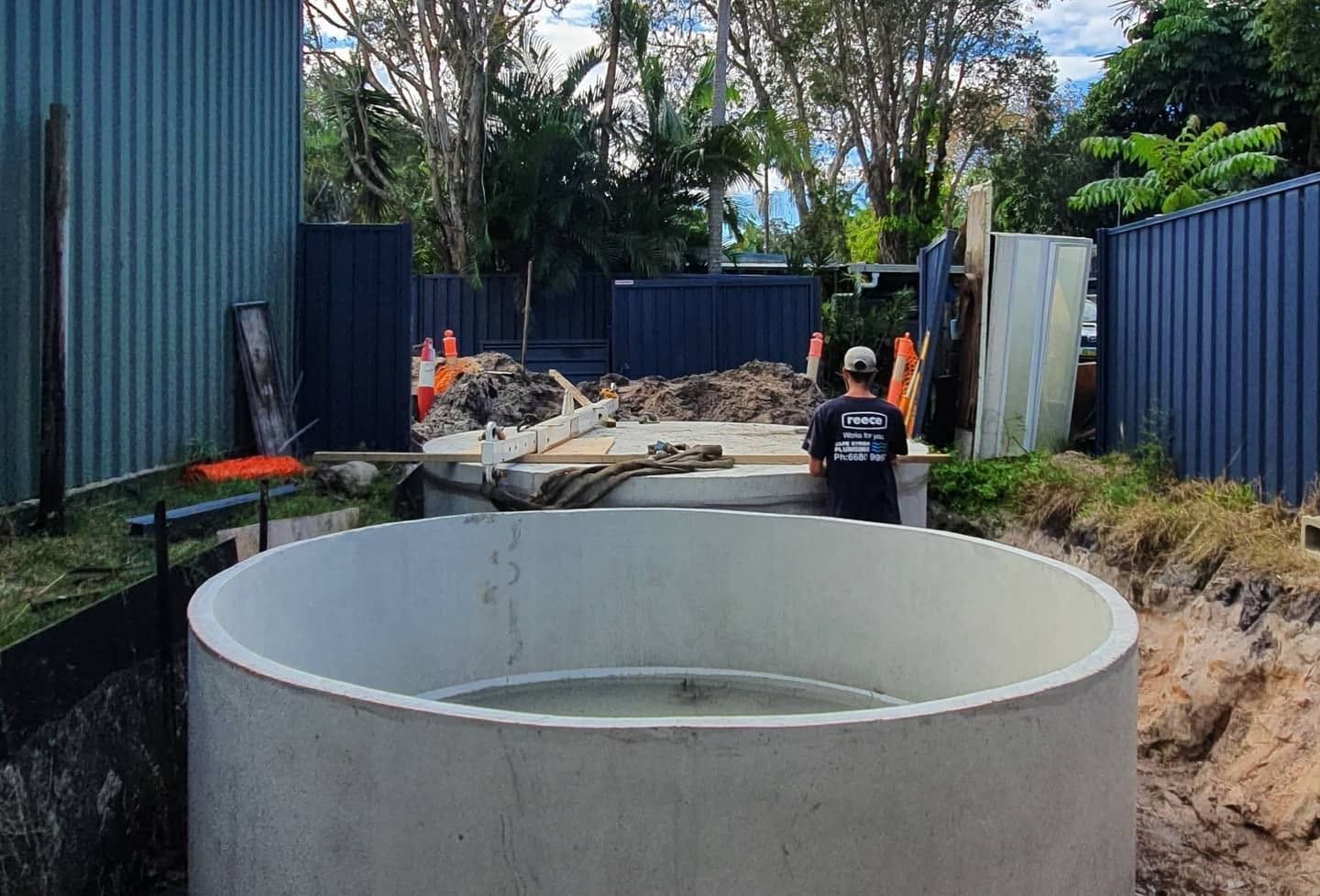
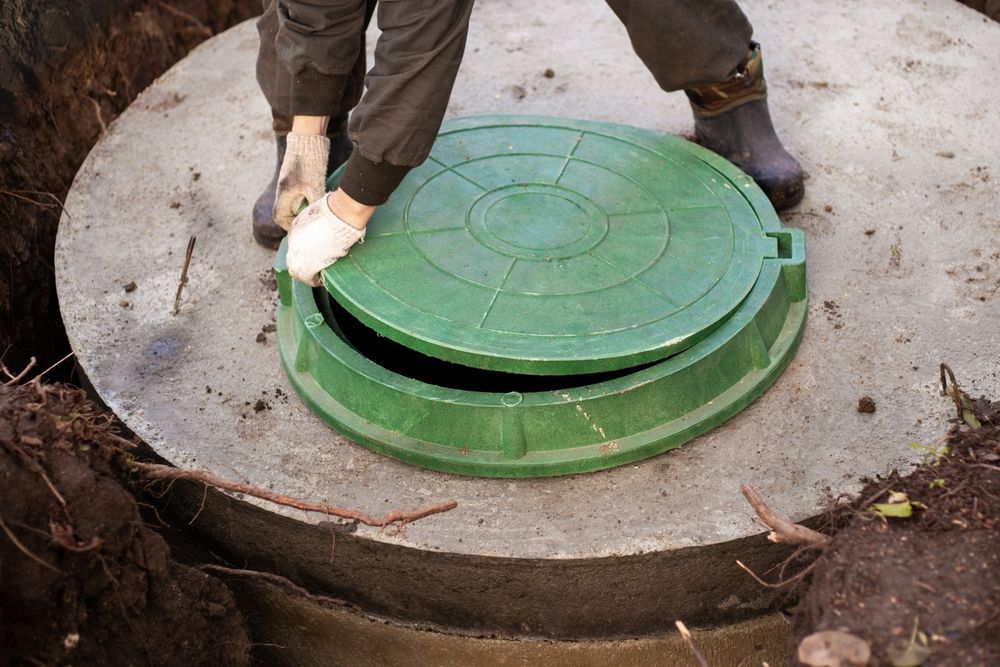
- A septic tank
- Absorption trenches or disposal areas
- Pipes and distribution systems
Wastewater enters the tank, where solids settle and break down. The remaining liquid then flows into absorption trenches where the soil helps filter and disperse the water safely.
The problem is that excessive rainfall or poor drainage conditions can disrupt this process.
Why Northern Rivers Rainfall Creates Unique Septic Challenges
The Northern Rivers region experiences periods of intense rainfall and prolonged wet conditions, particularly during storm season and La Niña weather events. For septic systems, this creates several risks.
Saturated Soil Reduces Drainage Efficiency
Absorption trenches rely on soil being able to absorb and filter wastewater. When the ground becomes saturated:
- Wastewater cannot disperse properly
- Trenches may overflow
- Effluent can rise to the surface
This is one of the most common septic issues experienced by hinterland property owners during extended wet periods. Experienced
plumbers in Ballina and surrounding-region professionals frequently see these problems intensify during summer storms.
Heavy Rainfall Can Overload the System
Septic systems are designed to manage a certain volume of wastewater over time. Heavy rainfall can increase pressure on the system by:
- Raising groundwater levels
- Flooding drainage areas
- Reducing oxygen in the soil
This can cause wastewater to back up into the property or create persistent wet patches around the absorption area.
Soil Type Plays a Major Role
Different areas around Byron Bay and the Northern Rivers contain varying soil profiles, and not all soils handle wastewater equally well.
Clay Soils Retain Water
Clay-heavy soils are common in parts of the region and tend to drain slowly. This can lead to:
- Waterlogging around trenches
- Reduced filtration efficiency
- Increased risk of overflow
Properties with clay soils often require more careful septic design and ongoing monitoring.
Sandy Soils Drain Faster — But Have Risks Too
Some coastal and low-lying areas contain sandier soils that drain more rapidly. While this may seem beneficial, overly fast drainage can:
- Reduce proper filtration
- Increase environmental contamination risks
- Affect groundwater quality
Proper septic design is essential to balance drainage and filtration effectively.
Sloping Blocks Add Additional Challenges
Many hinterland properties are built on sloped or uneven terrain. This can create complications such as:
- Uneven wastewater distribution
- Erosion around trenches
- Water runoff entering the disposal area
A poorly positioned septic system on a sloping block may struggle during heavy rainfall events.
Warning Signs Your Septic System May Be Struggling
Many septic failures develop gradually before becoming major problems. Heading into storm season, property owners should watch for:
- Persistent wet or boggy ground near trenches
- Slow-draining sinks or toilets
- Gurgling plumbing sounds
- Sewage odours outdoors
- Wastewater backing up indoors
- Unusually green grass around disposal areas
These signs may indicate the system is overloaded or not draining correctly. If you notice these issues, contacting a qualified plumber in Byron Bay early may help prevent more extensive repairs.
Pump-Out Frequency Depends on Local Conditions
One of the biggest misconceptions about septic maintenance is that every system follows the same pump-out schedule. In reality, frequency depends on:
- Household size
- Water usage
- Tank size
- Soil conditions
- Rainfall exposure
In wetter regions like the Northern Rivers, systems may require more frequent inspections and maintenance due to increased environmental pressure.
Seasonal Septic Maintenance Checklist
Preparing your system before the wet season can help reduce failure risks.
Spring and Pre-Summer Checklist
Inspect for Surface Water Issues
Ensure stormwater runoff is directed away from septic trenches.
Check for Drainage Problems
Look for pooling water or soggy ground around the system.
Reduce Excess Water Usage
Spread out washing loads and avoid overloading the system during wet periods.
Schedule Tank Inspections
Professional inspections can identify early issues before heavy rain arrives.
Protect the Absorption Area
Avoid parking vehicles or placing heavy objects over trenches.
Trim Tree Roots
Roots can invade pipes and affect drainage performance.
Council Compliance Matters
Septic systems must comply with local council and environmental regulations. Failing systems can create:
- Environmental contamination risks
- Health hazards
- Compliance notices or fines
Properties in environmentally sensitive areas around Byron Bay may face stricter wastewater management requirements. Professional inspections help ensure systems remain compliant and functional.
Why DIY Septic Solutions Often Fall Short
Many homeowners attempt quick fixes such as:
- Overusing additives
- Pumping tanks without addressing drainage issues
- Ignoring warning signs
While these may temporarily reduce symptoms, they rarely solve underlying problems related to soil saturation or trench failure. Professional assessment is often needed to properly diagnose septic system issues.
How Professional Plumbing Support Helps
Experienced septic specialists understand the unique environmental conditions affecting Northern Rivers properties. A qualified plumber in Byron Bay can assist with:
- Septic inspections
- Drainage assessments
- Pump-out recommendations
- Repairs and maintenance
- Identifying absorption trench issues
Local experience matters because regional soil and rainfall conditions significantly affect septic performance.
Protecting Your Septic System Long-Term
Septic systems can last for many years when properly maintained, but environmental conditions in the Byron Bay hinterland require proactive care. Regular inspections, sensible water usage and early attention to warning signs can help:
- Extend system lifespan
- Prevent expensive failures
- Reduce environmental risks
- Improve household safety and hygiene
Local Conditions Require Local Expertise
Generic septic maintenance advice often overlooks the challenges specific to the Northern Rivers region. Heavy rainfall, variable soil conditions and sloping terrain all influence how septic systems perform across Byron Bay, Ballina and surrounding hinterland areas.
If you’re concerned about your septic system or preparing for storm season, working with experienced local professionals can help ensure your system remains safe, compliant and functioning efficiently.
For trusted advice and long-term septic support, choose an experienced plumber in Byron Bay. Cape Byron Plumbing is here to help property owners navigate the unique demands of septic management in the Northern Rivers climate.
Our Service Areas








Recent Posts