Septic Tank Maintenance In Ballina: What Homeowners Should Know Before Problems Start
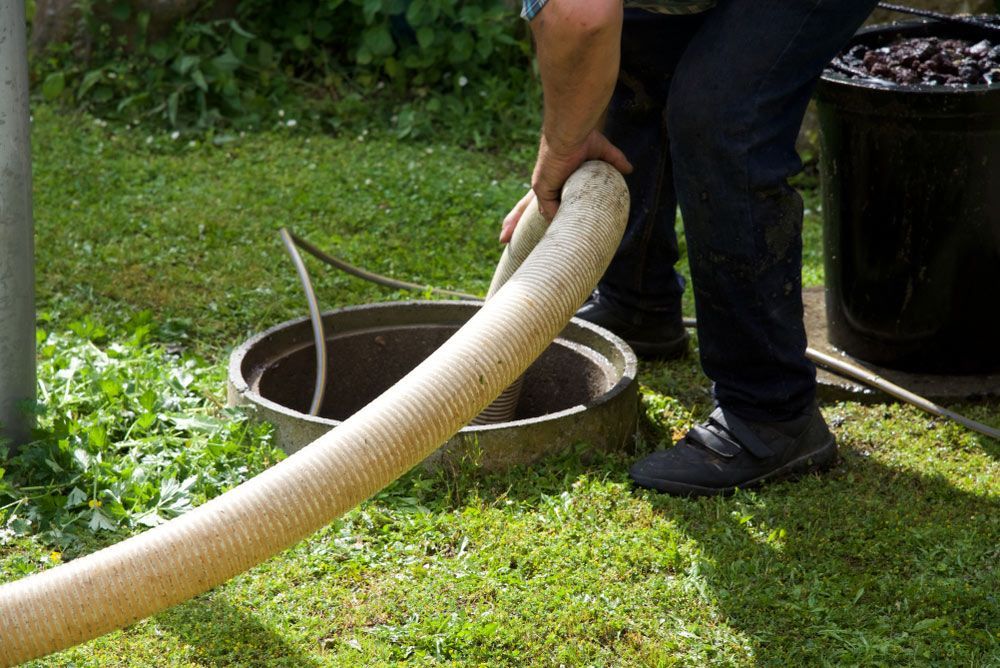
As a general guide, most residential septic tanks need pumping every three to five years, depending on household size, tank capacity and daily water use. A larger household running more loads of laundry and longer showers will fill the tank with sludge faster than a couple living alone. According to industry best practice, an inspection every one to three years, separate from a full pump-out, helps catch problems early, particularly on properties where soil conditions are less forgiving.
It's worth treating that three-to-five-year figure as a starting point rather than a fixed rule. On acreage blocks with heavier clay soil, the drainfield can reach capacity well before the tank does, which means the pump-out schedule alone won't tell you whether your system is actually coping.
What Are the Signs Your Septic Tank Needs Servicing?
Several warning signs tend to show up before a septic system fails outright and catching them early is far cheaper than dealing with a collapsed drainfield. Watch for:
- Slow-draining sinks, showers or toilets across multiple fixtures at once, rather than just one blocked drain
- Gurgling sounds coming from pipes after you flush or run water
- A sewage smell in the yard, especially near where the drainfield or tank is located
- Unusually lush, spongy or wet patches of grass over the drainfield area, even during dry weather
- Pooling water or effluent surfacing on the ground above the tank or trench lines
- Sewage backing up into the house through drains or toilets — a sign the system is already in crisis
Any one of these on its own might be minor. Two or more together, particularly the wet or lush grass patch combined with slow drains, usually points to a drainfield that's struggling to keep up and it's worth getting a plumber in Ballina out to check before it escalates.
Why Ballina Acreage Blocks Need a Different Approach
Ballina's geography creates a real split in how septic systems perform. Sandy coastal blocks tend to absorb effluent efficiently, which is why standard pump-out intervals work reasonably well there. Acreage properties further inland, particularly those west of the highway sitting on clay-heavy soil, are a different story. Clay compacts under weight and holds moisture, which reduces how quickly the drainfield can disperse effluent, even when the tank itself still has plenty of capacity before its next scheduled pump-out.
This is why a proper assessment can't stop at checking sludge levels in the tank. Plumbers in Ballina that understand local soil conditions will also check the condition of the absorption trench and look for signs of soil saturation around it.
Two properties with identical tanks and identical household water use can need completely different service schedules if one sits on sand and the other on clay. Soil type and rainfall patterns across the wider region play into this too. Our guide on septic systems in the Byron Bay hinterland covers why this matters for properties across the area, not just in Ballina.
What Happens During a Professional Septic Inspection
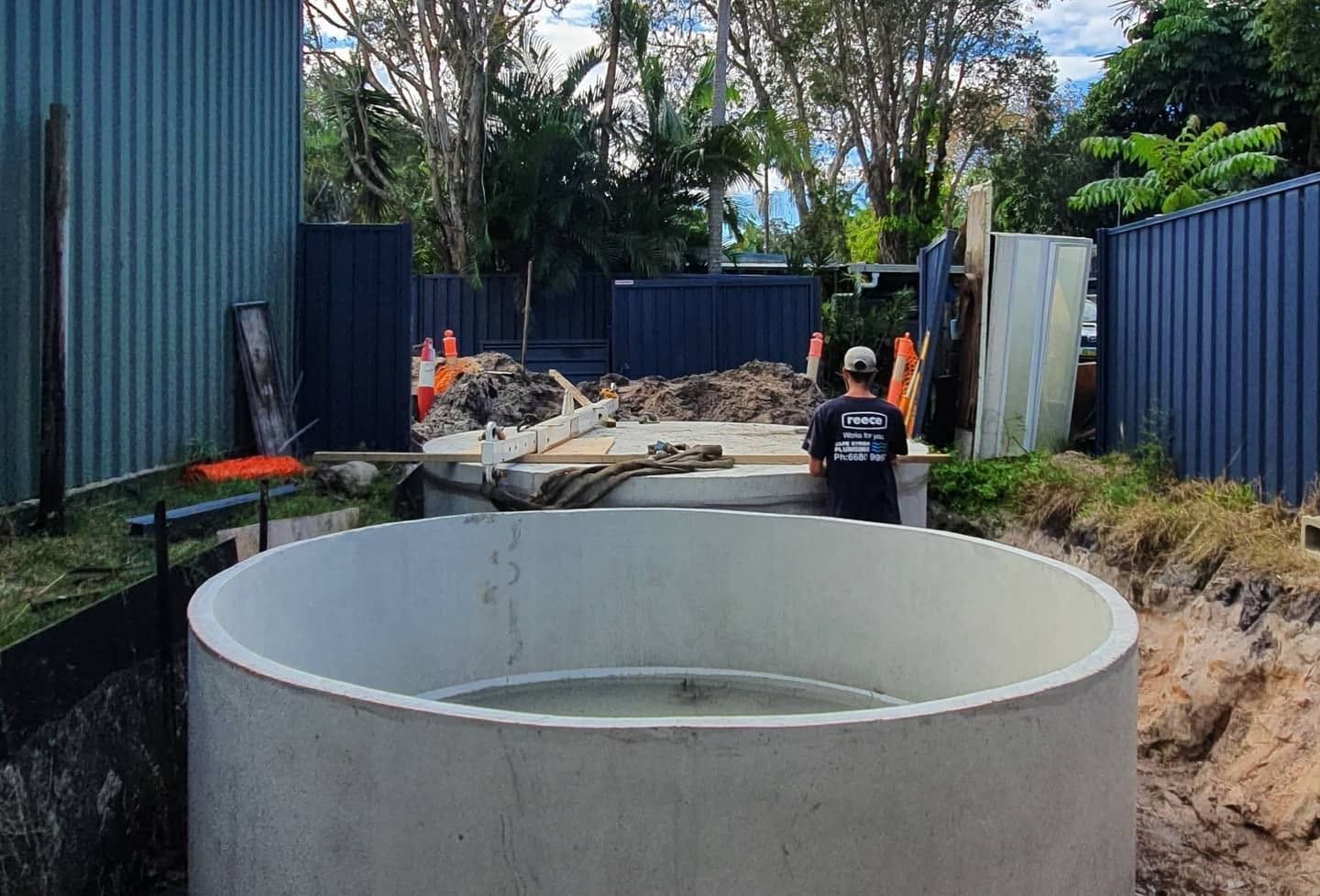
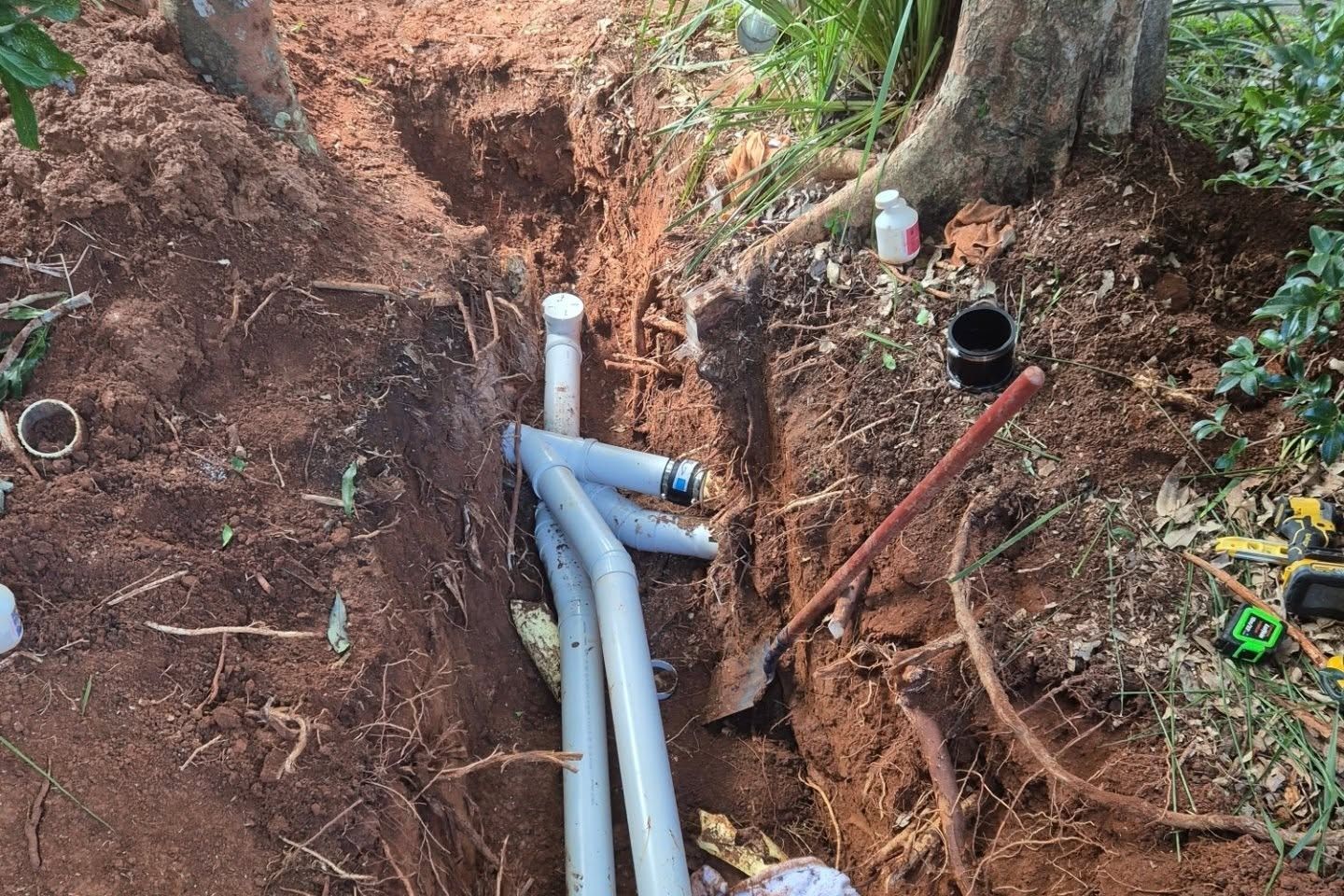
A thorough inspection covers more ground than most homeowners expect. Cape Byron Plumbing's septic systems service typically includes checking the sludge and scum levels in the tank, inspecting the outlet filter for blockages, assessing the tank structure for cracks or wear and, critically for acreage properties, walking the drainfield to check for surfacing effluent, soil saturation and vegetation that suggests the trench is under stress.
This combination matters because a tank can look perfectly healthy on paper while the drainfield underneath is quietly failing. Catching that early through a full inspection covers everything from routine pump-outs to full drainfield replacement for properties that can no longer absorb effluent effectively.
How to Choose the Right Plumber in Ballina for Septic Work
Not every plumber works on septic systems regularly and acreage properties in particular benefit from someone who understands local soil behaviour rather than a generic pump-out checklist. When choosing a plumber in Ballina for septic servicing, look for a few things: licensing and experience specifically with septic systems, familiarity with the clay-heavy soil common west of the highway and a willingness to inspect the drainfield rather than just the tank.
A plumber in Ballina who only checks sludge levels and calls the job done is missing half the picture on acreage blocks. Ask whether an inspection includes a walk of the drainfield and an assessment of soil saturation; if the answer is no, you're only getting half an assessment.
What To Do If You Notice a Problem
If you're seeing wet patches near the drainfield, smelling sewage in the yard or noticing slow drains that don't clear, don't wait for the next scheduled pump-out. These signs mean the system needs attention now. If you're not sure whether the issue is coming from the tank, the pipework or the absorption trench itself, a leak detection service can pinpoint exactly where the problem sits before you commit to a repair.
Protecting Your Septic System Between Services
Good habits between inspections reduce the load on your tank and drainfield. Spread out laundry loads rather than running several in one day, avoid flushing wipes, sanitary products or excess grease and keep vehicles and heavy machinery off the drainfield area, since compacting the soil above it reduces absorption further. On clay-heavy acreage blocks, this last point matters more than most homeowners realise — compacted clay absorbs effluent even more slowly than undisturbed clay.
The takeaway for Ballina acreage homeowners is straightforward: don't rely on a generic pump-out calendar alone. Get your system inspected by a plumber in Ballina who checks the drainfield and soil conditions, not just the tank and you'll catch problems while they're still a minor fix rather than a major dig-up.
Frequently Asked Questions
Our Service Areas








Recent Posts