Heat Pump Hot Water Systems: What Byron Bay Homeowners Need To Know Before Upgrading
A heat pump hot water system can be an efficient replacement for traditional electric storage hot water, particularly in Byron Bay’s warm climate. But choosing the right unit involves more than comparing brands and tank sizes. Available clearance, condensate drainage, household demand and the existing plumbing all affect whether a heat pump will work well on your property. Before committing to an upgrade, having a qualified plumber in Byron Bay assess your property can help confirm whether a heat pump suits the available space and what installation work will be required.
What Is A Heat Pump Hot Water System?
A heat pump hot water system heats water by extracting heat from the surrounding air and transferring it into a storage tank. Rather than creating all its heat directly through an electric heating element, it uses electricity primarily to operate the compressor, fan and associated components. The process works in a similar way to a reverse-cycle air conditioner, but the captured heat goes into your hot water instead of warming the air inside your home.
A typical system includes:
- A hot water storage tank
- A heat pump or compressor
- An evaporator and fan that draw in ambient air
- Refrigerant that transfers captured heat
- Controls that manage heating cycles and water temperature
Some models combine the heat pump and tank into one integrated unit. Others use a split configuration, with the heat pump component separate from the storage cylinder. For Byron Bay homeowners replacing an ageing electric storage system, a heat pump can often use the existing hot water plumbing location. However, that does not automatically mean the old system can simply be disconnected and the new one installed in the same footprint.
Why Consider Heat Pump Hot Water In Byron Bay?
Heat pumps generally suit climates where there is plenty of usable heat in the surrounding air. Byron Bay’s relatively mild conditions can make heat pump technology a practical option for many homes. The main attraction is reduced electricity consumption for water heating compared with conventional electric resistance systems. A heat pump transfers existing heat rather than relying solely on an element to generate it. There are other practical considerations too. Heat pump systems do not require rooftop collectors like solar hot water, and homeowners who do not have natural gas available can compare them with conventional electric storage systems without adding a new fuel supply.
However, the right choice depends on the property. Tank capacity, installation position, household hot water demand and electrical requirements should all be assessed before ordering a system.
Cape Byron Plumbing supplies and installs a range of hot water systems Byron Bay homeowners can choose from, including heat pump and other hot water options.
How Much Does A Heat Pump Hot Water System Cost In Australia?
The cost of a heat pump hot water system in Australia varies according to the unit, tank capacity and the work required to install it. The system itself is only one part of the final replacement cost.
Factors that can affect the quote include:
- Brand and model selected
- Storage tank capacity
- Integrated versus split-system design
- Location of the existing hot water system
- Plumbing alterations required
- Electrical work required
- Access to the installation area
- Base or mounting requirements
- Condensate drainage
- Removal and disposal of the old system
Government incentives or certificate schemes may also affect the effective cost of eligible installations. Eligibility and available incentives can change, so homeowners should check current scheme requirements rather than assuming a particular rebate will apply. This is why advertised unit prices are not necessarily a reliable indication of the complete installed cost. A plumber should inspect the proposed location and existing services before providing a replacement quote.
Why Can Two Heat Pump Installation Quotes Be Different?
Consider an example. One Byron Bay homeowner has an electric storage tank outside on a suitable concrete base with straightforward plumbing and enough surrounding space for the new heat pump. Another homeowner wants the same heat pump, but the existing tank sits in a confined position beside the house. The new unit needs to be relocated to achieve the manufacturer’s required airflow clearance, with pipework extended and a new condensate drain installed.
The equipment may be identical, but the installation scope is not. Comparing quotes means checking what each plumber has allowed for rather than looking only at the system price.
How Much Clearance Does A Heat Pump Hot Water System Need?
Heat pump hot water systems need sufficient clearance around the relevant air intake and discharge areas so the unit can move air effectively. The exact clearance depends on the manufacturer and model, which means there is no single measurement that applies to every system. This is one of the details homeowners can easily miss when replacing a conventional storage tank. A location that worked perfectly well for an old electric cylinder may be too enclosed for a heat pump. Poor positioning can restrict airflow and may affect performance. Installers also need enough practical access for servicing and future maintenance.
Potential problem locations include narrow side passages, enclosed spaces and areas where fences, walls, vegetation or other equipment obstruct airflow.
For homeowners considering an upgrade, speaking to a qualified plumber in Byron Bay before purchasing a unit is a practical way to confirm the manufacturer’s clearance requirements against the available space on your property.
Why Does Condensate Drainage Matter In Byron Bay?
A heat pump produces condensate as part of normal operation, so the installation needs a suitable way to manage that water. The drain should discharge appropriately rather than allowing water to continually collect beside the unit or building. This detail deserves particular attention in Byron Bay’s humid coastal environment. Higher humidity can contribute to condensate production when operating conditions are suitable, making drainage an important part of planning the installation.
The plumber should assess where that water will go and avoid directing ongoing discharge towards areas where it could create moisture problems around the building. Site drainage, ground conditions and proximity to structural footings all need consideration. Simply allowing condensate to drip wherever the unit happens to sit is not a good installation strategy. According to industry best practice, drainage should form part of the site assessment rather than becoming an afterthought once the system is installed.
How Long Does A Heat Pump Hot Water System Take To Install?
A straightforward hot water system replacement may be completed within the same day, but installation time depends on the condition and configuration of the existing system and the requirements of the new heat pump.
A typical replacement involves:
- Isolating and disconnecting the old hot water system.
- Draining and removing the existing tank.
- Preparing the installation position for the new unit.
- Positioning and connecting the heat pump system.
- Completing required plumbing, drainage and electrical work.
- Filling the tank and checking connections.
- Commissioning and testing the system.
Installation can take longer if the heat pump needs a different location, the plumbing requires substantial alteration, access is difficult or additional electrical work is necessary. Heat pumps also have a storage tank that must heat after installation. Completing the physical installation does not necessarily mean a full tank of hot water will be available immediately. If your existing system has failed unexpectedly, Cape Byron Plumbing's 24-hour emergency plumber can assess the fault and available replacement options.
When Should You Replace Your Existing Hot Water System?
You do not necessarily need to wait until a hot water system fails completely before replacing it. Planning an upgrade while the existing unit still operates gives you more time to compare heat pumps with other options and arrange any site changes that may be required. Consider organising an assessment if you notice persistent leaks, corrosion, unreliable temperatures, declining hot water availability or repeated repair requirements.
An older system can also provide an opportunity to reconsider whether its replacement should use the same technology. If you currently have conventional electric storage, for example, a local Byron Bay plumber can assess whether the site is suitable for a heat pump rather than automatically replacing like for like.
If the tank has already failed and is leaking significantly, prompt action matters. Isolate the water supply if it is safe to do so and arrange professional assistance rather than allowing water to continue escaping around the property.
How Do You Choose The Right Heat Pump Hot Water System?
Start with household demand rather than selecting a system purely by price or brand. A hot water system needs enough usable capacity for the people living in the home and their normal usage patterns.
A plumber may consider factors such as:
- Number of occupants
- Typical shower and hot water usage
- Available installation space
- Required manufacturer clearances
- Existing plumbing layout
- Electrical supply
- Noise and proximity to bedrooms or neighbours
- Condensate drainage
- Access for installation and servicing
Noise deserves consideration because heat pumps contain a fan and compressor. Positioning a unit immediately outside a bedroom window, for example, may be less desirable than another compliant location with appropriate airflow and service access. A larger tank is not automatically better either. Correct sizing balances available hot water with the system’s operating characteristics, household demand, physical dimensions and cost.
Should You Buy A Heat Pump Before Calling A Plumber?
It is usually worth having the installation location assessed before purchasing a specific heat pump. This reduces the risk of buying a unit that does not suit the available space, household demand or existing services. The model’s installation specifications matter. A plumber can check its physical dimensions and clearance requirements, determine how condensate can be managed and identify any plumbing or electrical changes required. That assessment also gives you a more useful picture of the total project cost. A cheap unit may not represent a cheap upgrade if installing it requires extensive relocation or modification work.
Is A Heat Pump The Best Replacement For Every Byron Bay Home?
No single type of hot water system suits every property. Heat pumps can be a strong option for many Byron Bay households, but site constraints, budget, existing services and hot water usage can make another system more practical.
For example, a property with very restricted outdoor space may make it difficult to achieve the airflow and service clearances required by a particular heat pump model. Another home may have an excellent installation position and an existing plumbing layout that makes the transition relatively straightforward. The useful comparison is therefore not simply “heat pump versus electric” or “heat pump versus gas”. Compare the complete installed system and how well it suits the property over its expected service life.
What Other Sustainability Upgrades Can Complement A Heat Pump?
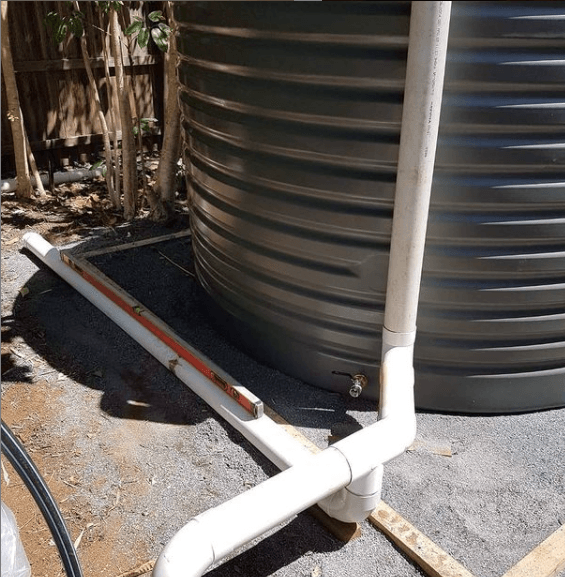
Homeowners improving household water and energy efficiency often consider several upgrades together. Heat pump hot water addresses the energy used to heat water, while rainwater collection can reduce reliance on mains water for suitable household or outdoor uses. Pairing a heat pump hot water system with rainwater infrastructure can therefore form part of a broader sustainability upgrade for Northern Rivers properties. Read Cape Byron Plumbing’s guide to the Benefits of Installing a Rainwater Tank in Ballina for more information on rainwater storage considerations. The key is to plan each system around the actual property rather than treating sustainable technology as a one-size-fits-all purchase.
What Should You Check Before Booking A Heat Pump Hot Water Installation?
Before replacing your existing system, check where the new unit could physically sit and whether that location has unobstructed space around it. Do not assume the footprint of the old storage tank will automatically suit the new heat pump. You should also discuss tank sizing, condensate drainage, electrical requirements, removal of the old unit and what is included in the installation quote. Most importantly, base the decision on a site assessment and the installation specifications for the particular system you are considering.
Cape Byron Plumbing can assess your existing setup, discuss suitable heat pump hot water options and supply and install the selected system. Contact our team to arrange an assessment for your Byron Bay property and confirm the installation requirements before purchasing your replacement.
Frequently Asked Questions
What Is a Heat Pump Hot Water System?
A heat pump hot water system extracts heat from the surrounding air and transfers it into water stored in a tank. It uses electricity to operate the heat pump components but does not rely solely on a conventional electric element to produce heat.
How Much Is a Heat Pump Hot Water System?
The total cost depends on the brand, model, tank size and installation requirements. Plumbing alterations, electrical work, relocation, access, condensate drainage and disposal of the existing system can all change the final installed price, so a site-specific quote provides a more useful figure than the unit price alone.
How Long Does a Heat Pump Hot Water System Take to Install?
Many straightforward replacements can be completed within a day, while installations requiring relocation, plumbing modifications or electrical upgrades can take longer. The new storage tank will also require time to heat its water after commissioning.
Does a Heat Pump Hot Water System Need Clearance?
Yes. Heat pumps require airflow around their intake and discharge areas, with exact minimum clearances specified by the manufacturer. A plumber should check the proposed position against the specifications for the chosen model before installation.
Do Heat Pump Hot Water Systems Produce Condensation?
Yes. Heat pumps can produce condensate during normal operation because their evaporator extracts heat from ambient air. The installation therefore needs appropriate condensate management so water does not continually collect around the unit, building or structural footings.
Is Heat Pump Hot Water Suitable for Byron Bay?
Heat pump hot water can suit many Byron Bay properties because the technology draws heat from ambient air, but suitability still depends on the individual site. Available airflow, drainage, household hot water demand, noise considerations and existing plumbing and electrical services should all be assessed before choosing a unit.
Our Service Areas








Recent Posts